Asset World Corporation Partners with Chiang Mai to Advance Sustainable Tourism and Cultural Heritage

Asset World Corporation joins Chiang Mai authorities and local communities to develop electric tram network, connecting historic landmarks and Lanna cultural experiences

Chiang Mai is preparing for a new chapter in urban tourism as Asset World Corporation (AWC) joins forces with provincial authorities, government agencies and local communities to improve connectivity, preserve cultural heritage and create new economic opportunities.
The collaboration, formalized on Wednesday 21 October 2026, introduces a framework for sustainable urban and tourism development, with the Chiang Mai Tram by Lannatique at its center.
The planned clean-energy electric tram system will connect 15 stations around key attractions, historical landmarks, hotels and transport networks, offering visitors a new way to explore the northern Thai city while supporting local businesses and communities.
More than a transportation initiative, the partnership aims to connect Chiang Mai's cultural identity, tourism economy and urban development through a coordinated approach involving both the public and private sectors.
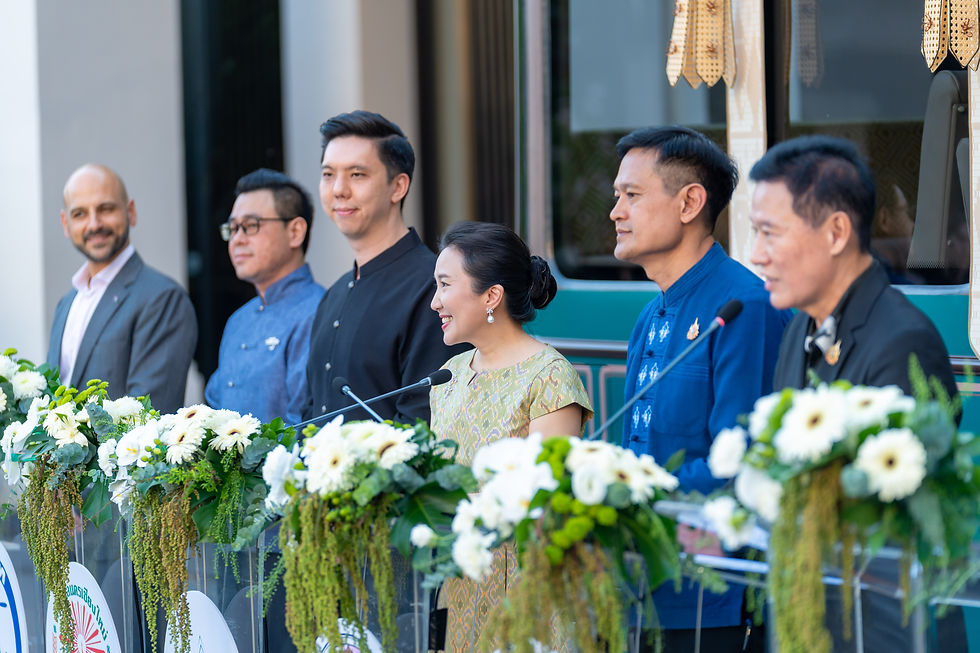
A Collaboration to Shape Chiang Mai's Tourism Future
The agreement brings together AWC, the Chiang Mai Provincial Administrative Organization, Chiang Mai City Municipality and other government agencies responsible for tourism, transportation, public safety and urban development.
Key participants include Chiang Mai Governor Thosaphon Phuean-udom, Pichai Lertpongadisorn, Chief Executive of the Chiang Mai Provincial Administrative Organization, and Chiang Mai Mayor Assanee Buranupakorn.
Representatives from the Chiang Mai Provincial Transport Office, Tourism Authority of Thailand's Chiang Mai Office and Chiang Mai Provincial Police also participated in the agreement, alongside AWC Chief Executive Officer and President Wallapa Traisorat and Chief Commercial Business Officer Michael Hariz.
The cooperation framework focuses on five interconnected areas: urban and public space development, tourism and local economic opportunities, transportation and accessibility, environmental sustainability, and the preservation of Lanna arts and culture.
Rather than treating tourism, transport and heritage conservation as separate priorities, the partnership seeks to address them together. For Chiang Mai, where historic neighborhoods, temples, traditional communities and modern tourism facilities coexist, the approach could help improve access to attractions while encouraging visitors to explore more of the city's cultural landscape.

Chiang Mai Tram by Lannatique: Connecting the City Through Culture
The most visible element of the collaboration is Chiang Mai Tram by Lannatique, presented by AWC as Thailand's first clean-energy electric tram service.
The planned route features 15 stations linking major tourism destinations and historical landmarks around Chiang Mai's city moat. Designed with contemporary interpretations of Lanna identity, the tram is intended to offer more than a practical transportation service. Its concept connects travel with cultural discovery, allowing passengers to experience Chiang Mai's history, architecture and local traditions as part of their journey through the city.
The project also aims to improve connections between hotels, commercial destinations, existing transportation networks and surrounding communities. By encouraging visitors to move between different attractions and neighborhoods, the tram could help distribute tourism spending more widely, including to smaller businesses and community-based enterprises.
The initiative forms part of AWC's Sustainable & Cultural Journey strategy, which seeks to integrate hospitality, tourism attractions, lifestyle destinations and local communities.
Preserving Chiang Mai's Lanna Identity
While transportation is a major component of the agreement, cultural preservation is equally important.
Chiang Mai's identity is closely tied to its Lanna heritage, reflected in its temples, architecture, craftsmanship, traditional arts and local way of life. AWC intends to incorporate these elements into the tourism experience through a concept described as a living museum, connecting historical places and contemporary cultural activities across the city.
Wallapa Traisorat, Chief Executive Officer and President of AWC, emphasized the importance of preserving the city's character while creating opportunities for future growth.
"AWC is honored to be part of Chiang Mai's continued development, collaborating with government agencies, partners, and local communities to preserve the city's distinctive character, from its rich Lanna cultural heritage and local way of life to its natural beauty," she said.
"Together, we aim to drive sustainable, long-term growth that creates lasting value for Thailand, the tourism industry, and local communities."
The company's approach is intended to encourage visitors to engage more closely with Chiang Mai's cultural identity rather than experience its attractions as isolated destinations.
Wallapa added that the electric tram would connect meaningful destinations, showcase the city's character and support arts and cultural tourism through the living museum concept.
"Through AWC Sustainable & Cultural Journey, we aim to connect hospitality, tourist attractions, commercial destinations, lifestyle experiences, and local communities to create meaningful experiences for visitors, expand economic opportunities for local businesses and communities, and preserve Chiang Mai's invaluable cultural identity and heritage for generations to come."

Creating Opportunities for Local Communities
A central objective of the partnership is to ensure that tourism development benefits the communities that contribute to Chiang Mai's distinctive character.
Improved connectivity between attractions and neighborhoods could encourage visitors to spend more time exploring local businesses, cultural venues and community destinations.
The framework also includes support for local entrepreneurs and economic activities connected to tourism.
Pichai Lertpongadisorn, Chief Executive of the Chiang Mai Provincial Administrative Organization, described the agreement as an opportunity to coordinate resources and expertise across different sectors.
"This cooperation is an important step in integrating public-private collaboration to drive the development of Chiang Mai across the economy, tourism, transport, technology and the conservation of Lanna identity, alongside improving the quality of life of the people," he said.
"The Chiang Mai Provincial Administrative Organization is ready to coordinate and support cooperation with all sectors to drive Chiang Mai toward becoming a creative economy city and a sustainable international tourism destination."
Pichai also expressed hope that the partnership would deliver tangible improvements for local residents, emphasizing that long-term development should benefit the people of Chiang Mai. The collaboration reflects a broader approach to destination development in which tourism growth is linked to community well-being, cultural preservation and local economic participation.
Toward a More Sustainable Way to Explore Chiang Mai
The electric tram also represents an effort to introduce a more environmentally conscious way of moving around Chiang Mai's central tourism districts. By connecting attractions around the city moat, the project aims to provide an alternative transport option for visitors traveling between historical sites, hotels and other destinations.
The partnership includes environmental conservation and sustainable tourism among its five priorities, alongside technology-enabled mobility and improvements to urban accessibility.
However, the announcement does not yet specify an opening date, operating schedule, ticket prices or the complete list of tram stations. These details will be important in determining how the system integrates with existing transport options and how easily residents and visitors can use it.

A New Direction for Chiang Mai Travel
Chiang Mai has long attracted travelers for its temples, traditional markets, creative communities, mountain landscapes and distinctive Northern Thai culture. The new public-private partnership seeks to connect these different aspects of the destination through a more coordinated tourism network.
For visitors, the planned tram could eventually make it easier to explore the historic city while discovering cultural attractions and local businesses along the way.
For residents and entrepreneurs, the initiative aims to improve urban connectivity and create opportunities connected to tourism without losing sight of the city's heritage.
The longer-term significance of the collaboration will depend on how its plans are implemented, particularly the integration of public transportation, community participation and cultural conservation.
If successful, the initiative could offer a model for how Chiang Mai balances its role as a major international tourism destination with the preservation of the local identity that makes it distinctive.
[PHOTO: Courtesy of AWC]


Comments