Why the Future of Hospitality Belongs to Hotels That Own the Guest Relationship

Profitroom's Marisa Nolan on direct bookings, AI, loyalty, and the changing expectations of modern travelers

The hospitality industry is experiencing a fundamental shift. Travelers are researching more extensively, expecting personalized experiences before they arrive, and increasingly judging a hotel not only by the quality of its rooms and service but also by the quality of its digital experience.
For independent hotels, this presents both a challenge and an opportunity.
According to Marisa Nolan, Regional Director APAC at Profitroom, hotels that invest in direct booking technology, integrated guest data, and meaningful personalization will be best positioned to compete in an increasingly crowded marketplace. Profitroom, which serves more than 4,500 hotels across 50 markets, helps hotels strengthen direct bookings through a suite of solutions including booking engines, CRM, loyalty programs, websites, and AI-powered guest communication tools.
Speaking with Expat Lifestyle Magazine, Nolan shared her insights on how traveler behavior is changing, why direct bookings matter more than ever, and what independent hotels can learn from the success of Chatrium Hotels & Residences.
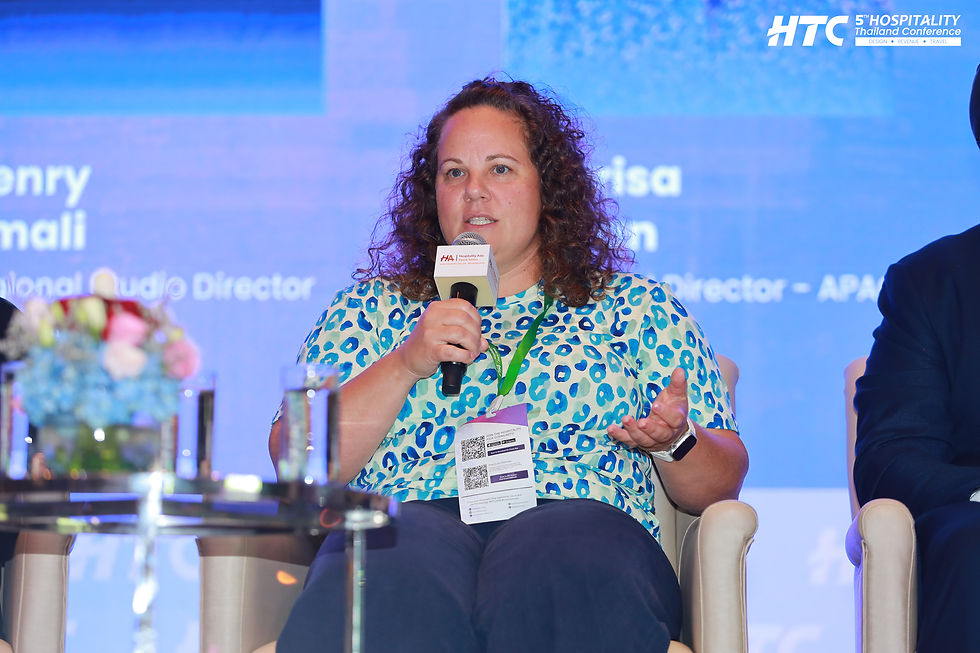
Travelers Are No Longer Booking Passively
One of the biggest changes Nolan has observed is what she calls the collapse of passive booking.
"A decade ago, travellers would search on an OTA, pick something that looked reasonable, and book. Today, guests do extensive research, compare experiences on social media, and expect the booking process itself to feel as premium as the stay."
She believes travelers are no longer simply choosing a hotel. Instead, they are curating an experience and a story they want to tell.
At the same time, travelers are becoming more intentional with their trips. Rather than taking frequent short breaks, many are opting for fewer but more meaningful journeys, often spending more per trip. This makes the booking process itself increasingly important. A hotel's website, direct booking journey, and personalized offers now play a significant role in the final purchase decision.

Price Is No Longer the Only Deciding Factor
When asked what influences booking decisions today, Nolan points to trust and transparency.
"Guests want to know that what they see on the booking page is exactly what they'll experience on arrival." Hidden fees, vague cancellation policies, and complicated booking processes quickly erode confidence and often drive travelers back to large online travel agencies.
She also highlights three increasingly important factors:
Personalization
Mobile booking experience
Loyalty
According to Nolan, hotels that recognize returning guests, remember their preferences, and present relevant offers can often win bookings even when competitors are offering lower prices.
What Meaningful Personalization Really Looks Like
Personalization remains one of the hospitality industry's favorite buzzwords, but Nolan argues that the best personalization is almost invisible.
"When it's working, the guest doesn't think 'this hotel is personalising my experience'; they just feel understood."
That could mean presenting a package aligned with the guest's travel purpose, offering relevant pre-arrival recommendations, or remembering preferences without requiring guests to repeat them at check-in.
What it is not, she says, is simply inserting a guest's first name into a generic marketing email.
"That's personal theatre."
The challenge for many independent hotels is that guest data often sits in disconnected systems. Without unified data across CRM, booking engines, and marketing platforms, meaningful personalization becomes difficult to achieve.
How AI Is Reshaping the Guest Experience
Artificial intelligence is already changing the way hotels communicate with guests.
Nolan believes AI will help close the gap between the personalized service guests receive in luxury hotels and the digital experiences they encounter before arrival.
"The best concierge in a five-star hotel knows your name, your preferences, and anticipates your needs before you ask. AI will bring that same capability to digital touchpoints."
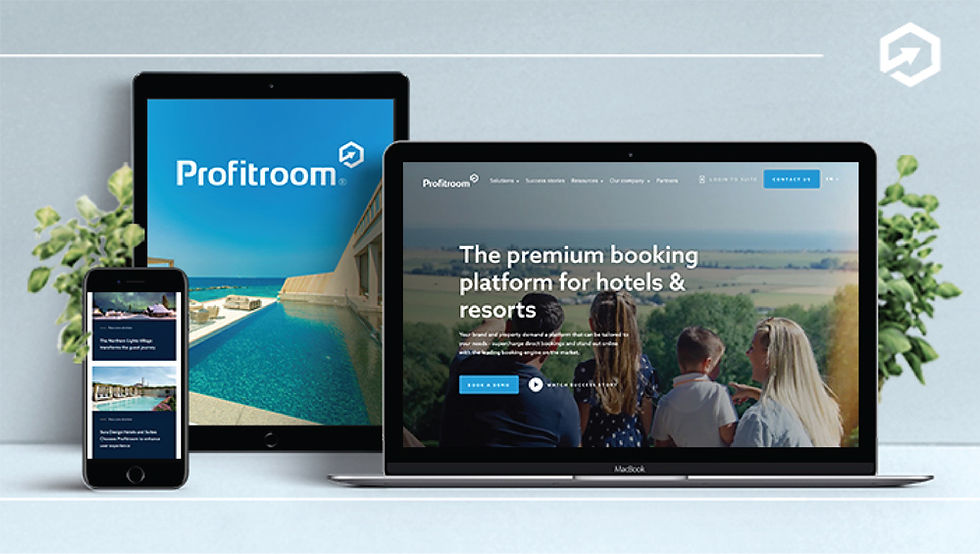
Profitroom's AI Agent is one example. The system handles guest inquiries across WhatsApp, Messenger, and web chat in multiple languages while drawing exclusively from a hotel's own knowledge base.
According to Nolan, hotels using the tool are saving more than 80 staff hours per month while simultaneously improving response quality and guest satisfaction.
What the Chatrium Success Story Reveals
One of the region's most notable recent hospitality technology case studies comes from Chatrium Hotels & Residences.
Nolan says the biggest challenge was not the quality of the hotel product itself but the gap between the guest experience delivered on-property and the experience delivered online.
"Walk into any Chatrium property and the experience is exceptional — warm, considered, distinctly Thai. But their digital infrastructure wasn't reflecting that quality."
The company deployed the full Profitroom Suite across its portfolio, integrating multiple systems into a unified platform. According to Nolan, the results demonstrated what happens when friction is removed from the booking journey.
She points to a 293% increase in transaction value per user and a 149% increase in conversion rates as evidence that travelers were already willing to spend more — they simply needed a booking experience that matched their expectations.
"Guests were always there. The platform just finally matched their expectations."

Why Direct Bookings Matter More Than Ever
Despite the importance of online travel agencies, Nolan warns against becoming overly dependent on them.
"An OTA booking is not really your guest. The OTA owns the relationship data." While OTAs remain valuable for acquiring first-time customers and reaching new markets, hotels ultimately need strategies that encourage guests to return directly.
This is where loyalty programs, CRM systems, personalized offers, and direct booking technology become essential. "Direct booking is how you take that relationship back."
Loyalty Is About Relevance, Not Rewards
For Nolan, loyalty is no longer about collecting points. "Loyalty today is earned through relevance, not rewards points."
Guests return because a hotel remembers them, anticipates their needs, and creates experiences that feel tailored to them.
Interestingly, she believes independent hotels often have an advantage over large international chains.
"They can make decisions faster, they can personalise more genuinely, and their guests often prefer the character and warmth of an independent brand over a standardised experience."

The Advice Every Hotelier Should Hear
When asked for one piece of advice for hotels preparing for the next generation of travelers, Nolan's answer is direct:
"Own the relationship before someone else does."
She argues that future travelers will be more digitally savvy, more values-driven, and more demanding of personalized experiences than any generation before them. Hotels that fail to invest in their direct channels risk surrendering those relationships to OTAs and larger brands.
The encouraging news, she says, is that independent hotels already possess something difficult to replicate: authentic character, local roots, and genuine hospitality.
"The technology to compete is available. The only question is whether you act on it now."
[PHOTO: Courtesy of Profitroom]


Comments