Beyond Rice: Exploring the Many Noodles of Thai Cuisine

Your guide to the many types of Thai-style noodles and the flavors behind each bowl

Rice may be Thailand’s staple grain, but noodles are arguably the country’s most beloved everyday dish. From street carts and market stalls to family kitchens and late-night eateries, bowls and plates of noodles form an essential part of daily Thai life. Affordable, adaptable, and endlessly varied, noodle dishes cut across social classes and regions, making them one of the most democratic foods in the country.
In Thailand, noodles are more than just a quick meal. They reflect centuries of cultural exchange, culinary creativity, and personal taste. A single bowl can be customized to the diner’s liking, with condiments such as chili flakes, fish sauce, lime, chili vinegar, and sugar offered on the table. Even when the broth is carefully crafted by the cook, the final balance of sweet, sour, salty, and spicy is often left to the eater. This flexibility helps explain why noodle dishes remain popular everywhere from roadside vendors to modern restaurants.
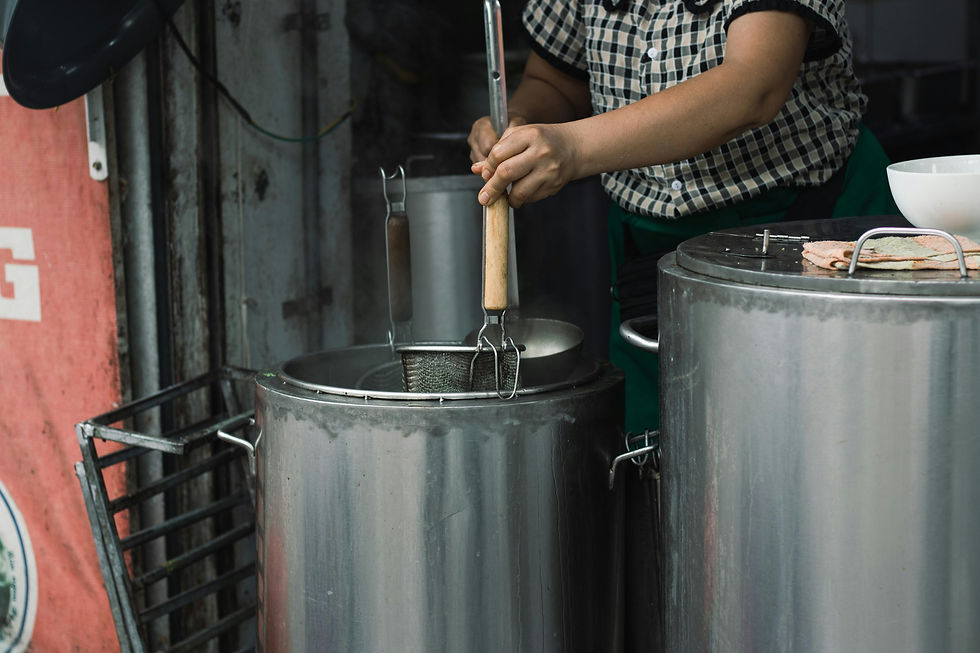
Noodles first arrived in Thailand during the Ayutthaya period through Chinese traders and immigrants. By the reign of King Rama V in the late 19th century, noodle dishes had become widely enjoyed across the kingdom.
Their popularity expanded dramatically during the 1940s under Prime Minister Plaek Phibunsongkhram, who promoted noodle consumption as part of national economic policies during a period of rice shortages. Since then, noodles have become fully integrated into Thai cuisine, evolving far beyond their Chinese roots. Today, noodle culture is one of the most vibrant expressions of Thai food.
Thai noodle dishes are built around two main categories of noodles. Egg noodles, known as bamee, are made from wheat flour and eggs, giving them their distinctive yellow color and springy texture. Most other noodles are made from rice flour and contain no eggs. These include sen lek, thin rice noodles; sen yai, broad flat noodles; and the delicate fermented rice noodles used in dishes like kanom jeen. Though the flavors of the noodles themselves are subtle, their textures vary widely, allowing each dish to develop its own character.
Each noodle style is typically associated with specific cooking techniques and preparations, and many restaurants specialize in just one type of noodle soup. Here are some common noodle dishes to know.
Barbecued Pork Egg Noodles
Egg noodles with barbecued pork from Bamee Phraeng Phuthon Egg noodles with barbecued pork from Bamee Phraeng Phuthon
One of the most familiar bowls is bamee moo daeng, or egg noodles with Chinese-style barbecued pork. Served either dry or in broth, the dish features chewy yellow noodles tossed with aromatic garlic oil and topped with slices of sweet roasted pork. Some shops elevate the dish with crispy pork belly, crab meat, or wontons, whose delicate wrappers are made from the same dough used for the noodles. The fragrance of fried garlic oil is a defining element, giving the noodles both richness and aroma.
Fish Ball Noodle Soup

For a lighter option, many diners turn to fish ball noodles. This clear broth soup is typically built around handmade fish balls and other seafood-based toppings.
The broth is mild and comforting, but variations are common. Some versions are served tom yum style with lime, chili, and roasted peanuts, while others transform into yen ta fo, a distinctive pink soup colored by fermented red tofu and enriched with fried tofu, squid, and morning glory.
Chicken Noodle Soup

Another comforting classic is chicken noodle soup. Usually made with rice noodles, the dish features a clear broth simmered from chicken bones and topped with shredded chicken. Some vendors offer a braised chicken leg version, where the poultry is slow-cooked with Chinese herbs and spices. Bitter gourd is often added, providing a refreshing balance of sweetness and subtle bitterness.
Beef Noodles

Beef noodles and hot pot from Heng Choon Seng 
Beef noodles and hot pot from Heng Choon Seng
Beef noodle soup is beloved for its deep, complex broth and the wide variety of cuts it showcases. A typical bowl may include fresh slices of beef, slow-braised meat, beef balls, tripe, or tongue. Each shop guards its broth recipe carefully. Some lean heavily on Chinese herbal spices, while others focus on slowly simmered beef bones to produce a clear yet deeply flavored soup. In some restaurants, the dish is served as a hot pot accompanied by rice or extra noodles.
Boat Noodles

Perhaps the most iconic Thai noodle dish is boat noodles, known as kuay tiew ruea. These intensely flavored bowls originated from vendors who sold noodles from small boats along canals, particularly in Ayutthaya and Bangkok. Because space on the boats was limited, the noodles were served in small bowls that were easy to handle and prevented hot broth from spilling.
The soup itself is dark, aromatic, and slightly thickened with herbs and spices. Traditionally, a small amount of blood is added to enrich the broth, giving it a signature depth known as nam tok. Typical toppings include sliced beef or pork, meatballs, liver, and water spinach. Diners often eat several small bowls in one sitting, accompanied by crispy pork cracklings and fresh basil.
Curry Noodles and Regional Traditions

Fermented rice noodles 
Curries that can be enjoyed with khanom jeen
Not all Thai noodles are served in broth. In many regional dishes, noodles replace rice as the carbohydrate base for curries and sauces.
Kanom jeen, despite its name (jeen translates Chinese in Thai), is not Chinese at all. The name is believed to derive from the Mon phrase khanom jin, meaning noodles that are pressed and cooked. These fermented rice noodles have been part of Southeast Asian food culture for centuries and are traditionally eaten at festivals and communal meals.
Across Thailand, kanom jeen is paired with different curries depending on the region. In the central plains, coconut milk-based curries such as nam ya kati (coconut milk-based) are common.

Khao soi from Lum Duan Fa Ham 
Khanon jeen nam ngiao
Northern Thailand offers kanom jeen nam ngiao, a rich tomato and pork broth flavored with dried cotton flowers. In the south, fiery turmeric curries and fermented fish sauces define the dish. Another northern noodle favorite is khao soi, where egg noodles are served in a creamy coconut curry with tender chicken or beef, topped with crispy fried noodles and pickled mustard greens.
Kuay Jab and Cross-Cultural Influence

Chinese-style kuay jab from Here Kaow 
Vietnamese-style kuay jab from Boon Siri Restaurant
Kuay jab is another noodle dish with Chinese roots that has become firmly embedded in Thai food culture. The name itself refers to rice noodles served with assorted ingredients.
In the Chinese version, curled rice noodles float in a dark, peppery broth scented with five-spice powder. Crispy pork belly, pork offal, tofu, and halved boiled eggs are common toppings, particularly in Bangkok’s Chinatown. A different variation known as kuay jab yuan comes from Vietnamese communities in northeastern Thailand. Here the noodles are thicker and chewier, served in a clear pork bone broth with pork sausage and ribs.
Wok-Fried Noodles

Thai noodle culture also thrives in the sizzling heat of the wok. Rad na, for example, features wide rice noodles topped with a glossy gravy made from soy sauce and oyster sauce, poured over Chinese kale and meat or seafood. Its origins lie in Teochew Chinese cuisine but the dish has evolved to suit Thai tastes.

Pad see ew is another beloved street food, where broad rice noodles are stir-fried with dark soy sauce, egg, Chinese kale, and meat over high heat, creating a slightly smoky flavor known locally as wok hei.

And then there is pad thai, perhaps Thailand’s most internationally recognized noodle dish. Though stir-fried noodles existed long before, the dish gained its name during World War II when the government promoted noodle consumption as a national symbol. Made with rice noodles, tamarind sauce, dried shrimp, tofu, bean sprouts, and peanuts, pad thai blends Chinese techniques with distinctly Thai flavors.
[PHOTO: Courtesy of tagged Facebook accounts]


Comments