How Everyday Food Choices Can Support Heart Health and Cut Food Waste

Sinergia Animal Thailand highlights how plant-based eating and reducing food waste can support healthier people and a more sustainable food system
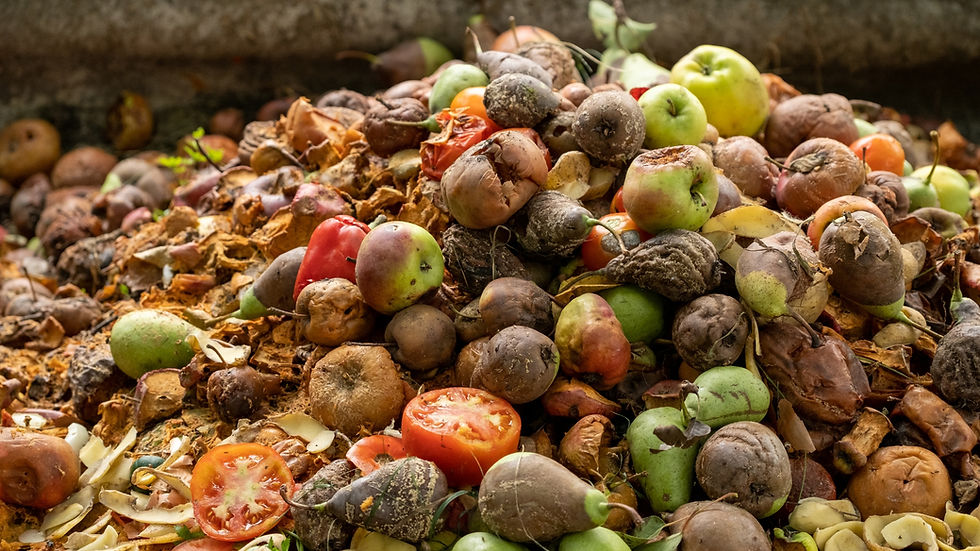
What we put on our plates is a personal choice, but its impact can extend well beyond a single meal. Food connects our health with agriculture, natural resources and a global system in which a significant amount of what is produced is ultimately never eaten.
That connection comes into focus on Tuesday 29 September 2026, which marks both World Heart Day and the International Day of Awareness of Food Loss and Waste. Sinergia Animal Thailand is using the occasion to encourage consumers to consider not only what they eat, but also how food is produced, used and discarded.
The Scale of What We Eat and Waste
Thailand's food system operates on an enormous scale. Eggs alone offer some perspective: according to figures cited in the press release from Thailand's Office of Agricultural Economics, the country produced more than 16.05 billion chicken eggs in 2025, equivalent to nearly 44 million eggs per day.
At the same time, substantial amounts of food never reach a plate. The UN Environment Programme reported that 1.05 billion metric tons of food were wasted globally in 2022 across households, food-service businesses and retail. That represented around 19% of food available to consumers. Food loss and waste are also responsible for an estimated 8–10% of global greenhouse gas emissions.
Reducing food waste can therefore have effects beyond a tidier refrigerator. It means making better use of the land, water, energy and other resources already invested in producing food.

What Does Heart Health Have to Do With It?
A more sustainable food system is not only about throwing away less. It can also begin with what goes onto the plate.
The World Health Organization recommends a varied diet based around vegetables, fruits, whole grains and legumes. For adults, replacing some red meat with plant-based protein can provide health benefits and help reduce the risk of certain noncommunicable diseases, according to information cited by Sinergia Animal.
That message is particularly relevant around World Heart Day, which draws attention to cardiovascular disease and ways people can reduce their risk.
This does not necessarily mean transforming your diet overnight.
“Creating a better food system doesn't have to begin by changing everything at once,” said Saneekarn Rossamontri, Director of Sinergia Animal Thailand. “We can start with our everyday meals, choose more plant-based foods and make full use of what we buy.”

Small Changes at Home
For households, that can translate into fairly practical habits: planning purchases more carefully, using ingredients before they spoil, finding ways to cook with leftovers and introducing more plant-based meals into the weekly routine.
But responsibility does not rest solely with consumers. Sinergia Animal points to the role of food producers, restaurants, retailers and supermarkets in making better choices easier to access. Businesses can also improve food management to reduce losses, strengthen production standards and adopt more responsible ingredient-sourcing practices.
The broader idea is simple: healthier and less wasteful eating does not have to start with a dramatic lifestyle overhaul. It can begin with the next grocery shop, the ingredients already sitting in the refrigerator and the choices we make at our next meal.
[PHOTO: Courtesy of Sinergia Animal]


Comments