Hairy Crab Season Arrives at Silver Waves by Boon in Bangkok

Chef Ho Chee Boon celebrates autumn's prized Chinese delicacy with a seven-course hairy crab menu, combining traditional Cantonese techniques, contemporary flavors and riverside dining
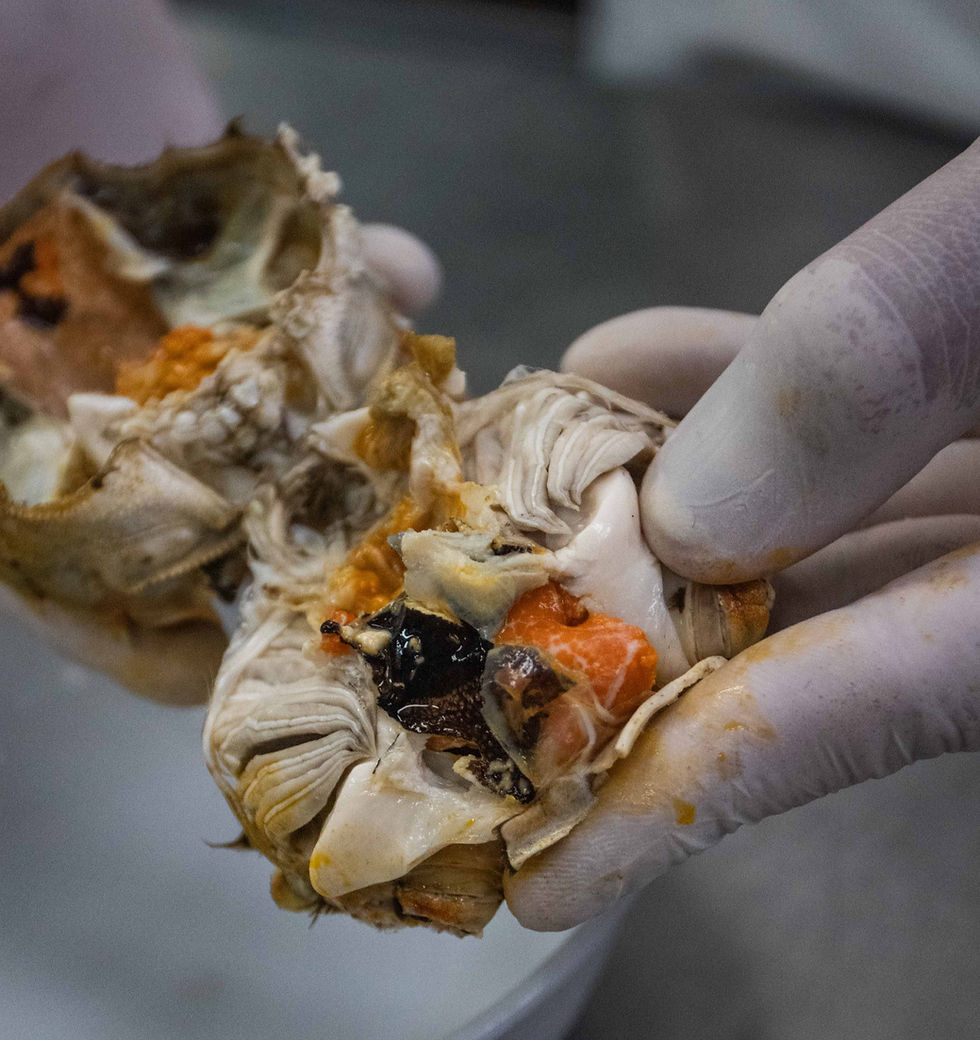
For lovers of Chinese cuisine, autumn brings one particularly anticipated delicacy: hairy crab. Prized for its delicate, sweet meat and rich, creamy roe, this seasonal freshwater crab is traditionally enjoyed steamed, allowing its natural flavors to take center stage.
At Silver Waves by Boon, located at Chatrium Hotel Riverside Bangkok, Michelin-starred Chef Ho Chee Boon is taking a different approach. His Golden Autumn Hairy Crab Tasting Menu explores the ingredient through seven courses, moving beyond the conventional steamed preparation to introduce different flavors, textures and cooking techniques.
Available until Monday 30 November 2026, the menu offers a contemporary interpretation of a Chinese culinary tradition, accompanied by views of the Chao Phraya River.

Why Hairy Crab Is an Autumn Delicacy
Hairy crab season typically falls in October and November, when the crabs are prized for the quality of their meat and roe.
During a recent presentation in Bangkok, Chef Boon explained that timing is essential to enjoying the ingredient at its best. The crabs develop through the warmer months before reaching their peak as temperatures begin to cool in autumn. Depending on where they are sourced, the ideal harvesting period can vary slightly, but October is generally considered the beginning of the prime season.
For traditional preparation, Chef Boon favors steaming the crabs with green tea, which helps preserve their delicate sweetness while softening some of their stronger seafood aromas.
He explained that the choice of tea matters. A lighter green tea is preferable to stronger varieties such as oolong, which could overpower the crab's natural flavor.
It is a relatively simple preparation, but one that requires attention to detail, from selecting live crabs to positioning them correctly in the steamer.
At Silver Waves by Boon, however, the chef takes that familiar starting point and develops it into a more elaborate dining experience.

Seven Courses, Seven Expressions of Hairy Crab
The Golden Autumn Hairy Crab Tasting Menu is designed to demonstrate the versatility of the ingredient, particularly its roe, which lends richness and depth to several dishes.

The experience begins with Chilled Hairy Crab Leg with Yuzu Vinegar, allowing the sweetness of the crab meat to come through alongside the citrus acidity of yuzu.

Next is Hairy Crab Roe Xiao Long Bao, bringing the ingredient into one of Chinese cuisine's most recognizable dim sum preparations.

The third course, Crispy Homemade Tofu with Hairy Crab Roe, introduces a contrast between the tofu's crisp exterior and the richness of the roe.

Hairy Crab Soup with Aged Huangjiu follows, pairing the crab with traditional Chinese rice wine for a deeper, more aromatic preparation.
The fifth course combines Scallop, Pea Shoots and Hairy Crab Roe, bringing together seafood sweetness and fresh vegetable notes.
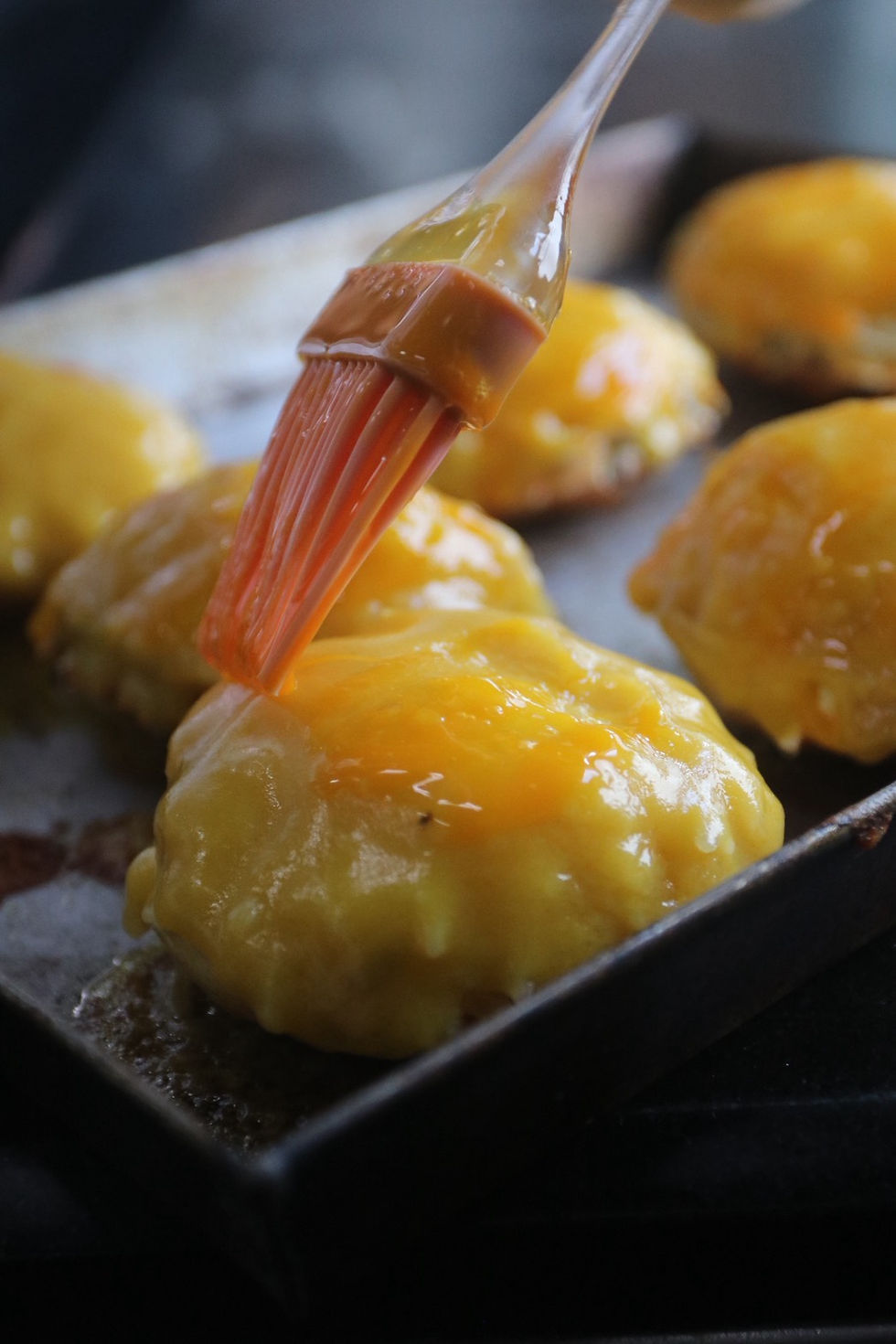
Baked Rice with Hairy Crab Roe and Sea Urchin is among the menu's richer dishes, combining two ingredients known for their distinctive creamy textures and concentrated flavors.

The experience concludes with Hairy Crab Roe Tang Yuan in Ginger Tea, an unusual final course that brings together the savory richness of crab roe with the warming character of ginger.
Chef Boon explained that the menu was developed to present hairy crab in several different ways rather than repeating the same preparation throughout the meal.
In his presentation, he emphasized the importance of varying flavors and textures, moving from lighter preparations to soup, crispy tofu and rice before finishing with ginger tea.
The result is a menu that encourages diners to appreciate hairy crab beyond the familiar experience of cracking open a steamed shell.

Keeping Cantonese Traditions While Exploring New Ingredients
With more than 35 years of international culinary experience, Chef Ho Chee Boon has worked across major dining destinations, including London, New York and Dubai. Born in Malaysia, he previously served as international executive chef for Hakkasan, overseeing restaurant openings in several international cities.
His approach to Cantonese cuisine combines traditional cooking techniques with ingredients drawn from the places where he works.
During the Bangkok interview, Chef Boon spoke about the importance of preserving the foundations of Cantonese cooking while remaining open to local produce.
"In every city I love to use the different ingredients, different local products," he explained, adding that he also highlights Thai ingredients when cooking in Bangkok.
For him, the fundamentals of Cantonese cuisine remain essential, particularly wok cooking, dim sum preparation and traditional culinary techniques.
At the same time, Thailand offers access to ingredients that can bring different flavors and aromas to familiar dishes.
He singled out Thai shallots, lemongrass and other local produce for their distinctive characteristics, noting that certain fresh ingredients are much easier to source in Bangkok than in Western cities.
"We keep our traditional way, all the cooking techniques," he said, while explaining that incorporating local ingredients allows his team to adapt dishes to the destination.
This approach extends beyond the hairy crab menu to the restaurant's broader culinary direction.

Seasonality at the Heart of the Menu
For Chef Boon, seasonal ingredients are an important part of keeping a restaurant's menu interesting.
Rather than relying entirely on permanent signature dishes, he prefers to introduce special preparations that reflect what is available at different times of the year.
Hairy crab is one example, with its relatively short season creating an opportunity to develop a dedicated tasting experience.
He also spoke about the advantages of working in Thailand, where fresh herbs, vegetables and aromatic ingredients offer considerable possibilities for Chinese cooking.
One example he mentioned was ginger flower, an ingredient he planned to use in an upcoming menu. In Bangkok, he can source it fresh, whereas in destinations such as San Francisco, finding it can be considerably more difficult.
The accessibility of such ingredients allows his kitchen to experiment while maintaining a foundation in Cantonese culinary traditions.
It is an approach that reflects the changing nature of contemporary Chinese fine dining, where respect for traditional techniques can coexist with regional influences and seasonal creativity.

A Riverside Setting for a Seasonal Chinese Feast
Silver Waves by Boon provides a setting that complements the menu's special-occasion appeal.
Located at Chatrium Hotel Riverside Bangkok, the restaurant overlooks the Chao Phraya River, offering an alternative to the city's more conventional Chinese dining rooms. Under Chef Boon's culinary direction, the restaurant focuses on contemporary Cantonese cuisine, with particular attention to ingredients, traditional cooking methods and modern presentation.
The Golden Autumn Hairy Crab Tasting Menu is well suited to diners who already appreciate hairy crab and want to explore different interpretations, as well as those encountering the seasonal delicacy for the first time.
With seven courses exploring the ingredient's sweetness, richness and versatility, the menu offers an introduction to one of autumn's most distinctive Chinese culinary traditions.
Golden Autumn Hairy Crab Menu
Restaurant: Silver Waves by Boon, Chatrium Hotel Riverside Bangkok
Menu: Golden Autumn Hairy Crab Tasting Menu, seven courses
Available: Until Monday 30 November 2026
Price: THB 1,888++ per person
Reservations: (+66) 2 307 8888
[PHOTO: Courtesy of Chatrium Hotel Riverside Bangkok]


Comments